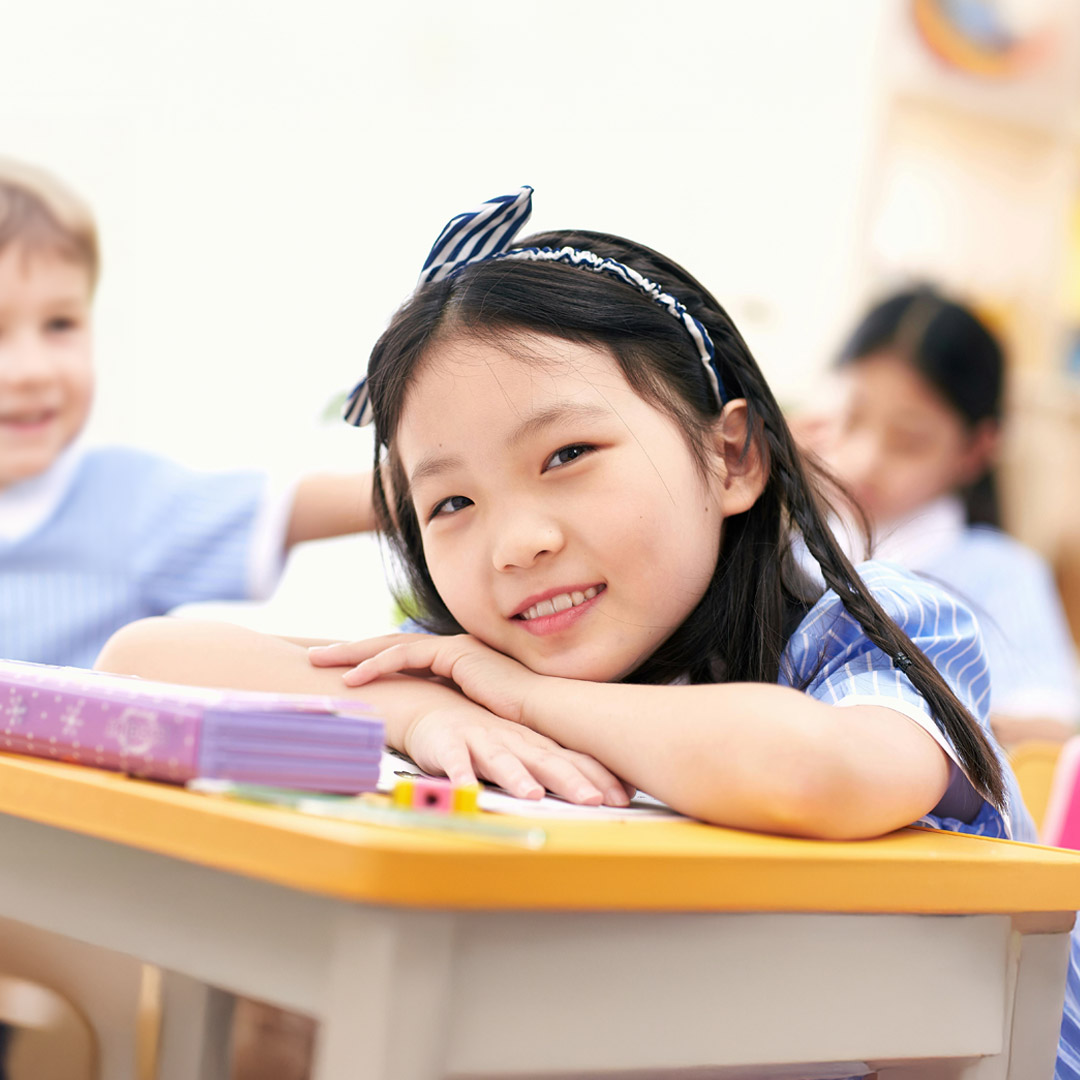
As globalization continues to shape our world, diversity in education plays a vital role in shaping the learning experiences of students. The integration of students from various cultural backgrounds into classrooms creates both challenges and opportunities. Diversity in education fosters a rich, dynamic learning environment that can significantly enhance students’ academic and social development.
One of the key opportunities presented by diversity in education is the promotion of collaborative learning across cultures. When students from different cultural backgrounds work together, they not only learn subject matter but also develop critical thinking, empathy, and effective communication skills. Collaborative learning across cultures encourages students to consider diverse perspectives, ultimately fostering a more inclusive and innovative approach to problem-solving.
However, the challenges of teaching a diverse group of students require educators to adopt culturally responsive teaching methods. Culturally responsive teaching recognizes and addresses the cultural differences students bring to the classroom, adapting instructional strategies to meet their unique learning needs. By incorporating culturally responsive teaching, educators can ensure that all students feel valued and understood, which leads to improved academic performance and engagement.
While the diverse classroom setting presents challenges, the potential benefits of diversity in education, collaborative learning across cultures, and culturally responsive teaching cannot be overstated. By leveraging these elements, educators can create a learning environment that maximizes student success and fosters global awareness in an increasingly diverse world.
 English
  香港中文
香港中文