
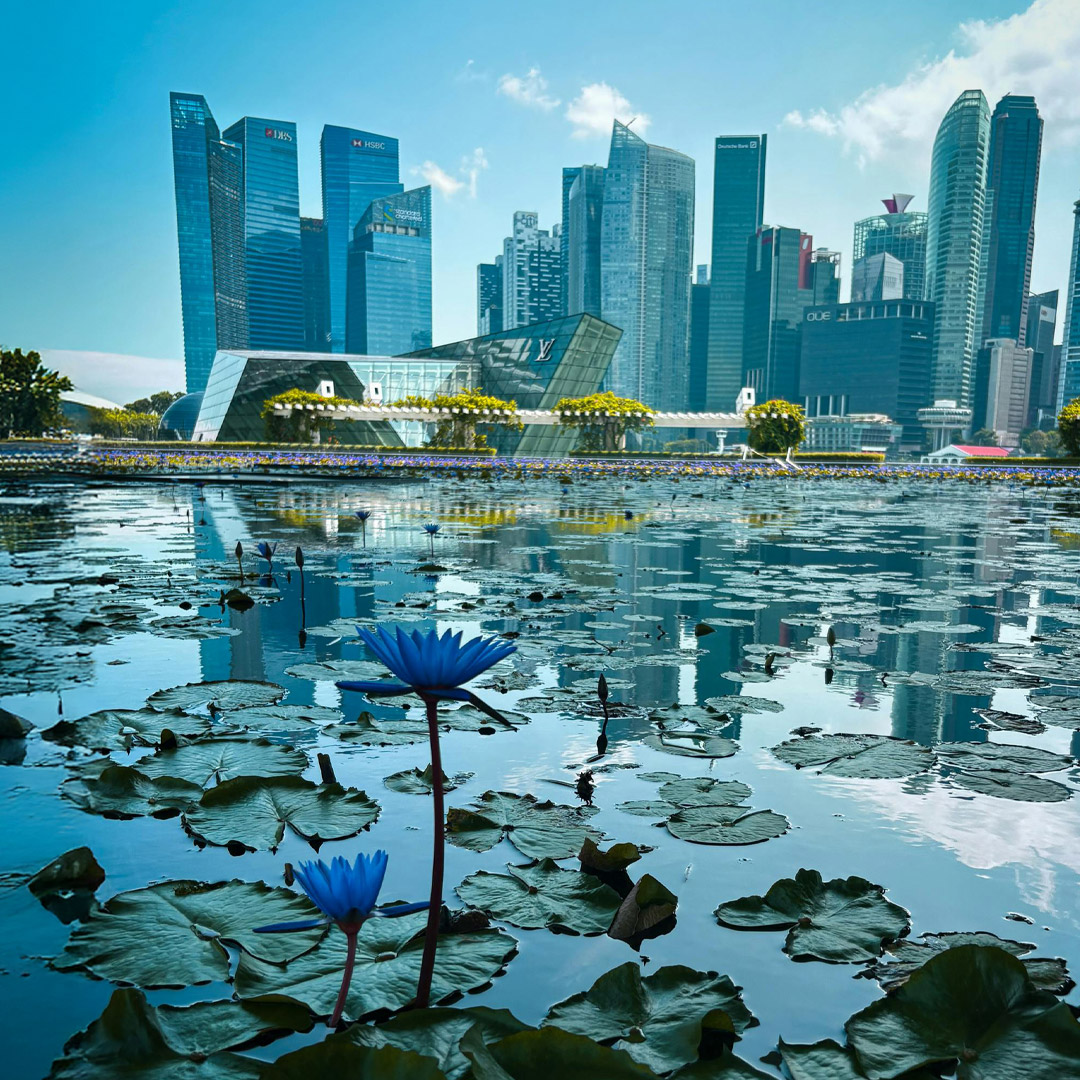
Singapore is a shining example of how a multicultural society can thrive despite differences. As a global city with diverse ethnic groups, the country has successfully fostered social cohesion in Singapore through policies, education, and community engagement. The government and citizens work hand in hand to ensure that all cultures are respected and celebrated, reinforcing cultural integration as a core national value.
One of the key strategies Singapore employs to maintain social cohesion in Singapore is its bilingual education system. Students are encouraged to learn English as a common language while preserving their mother tongue, ensuring that cultural traditions remain alive. This approach not only strengthens communication but also fosters mutual understanding among different ethnic groups.
In maintaining Singapore’s multicultural society, the housing policy is essential. The Ethnic Integration Policy (EIP) ensures that public housing estates reflect the country’s ethnic diversity, preventing racial enclaves and promoting daily interactions among different communities. This policy has played a significant role in enhancing cultural integration by allowing people of various backgrounds to coexist harmoniously.
Singapore’s vibrant festivals and community events help strengthen social cohesion in Singapore. Events such as Chinese New Year, Deepavali, Hari Raya, and Christmas are celebrated collectively, creating a sense of unity. These festivities highlight the importance of a multicultural society, where traditions are shared and appreciated by all.
Singapore’s success in cultural integration serves as a model for other nations. Through education, housing policies, and shared celebrations, the city-state continues to embrace diversity while forging a strong national identity.
 English
  香港中文
香港中文