
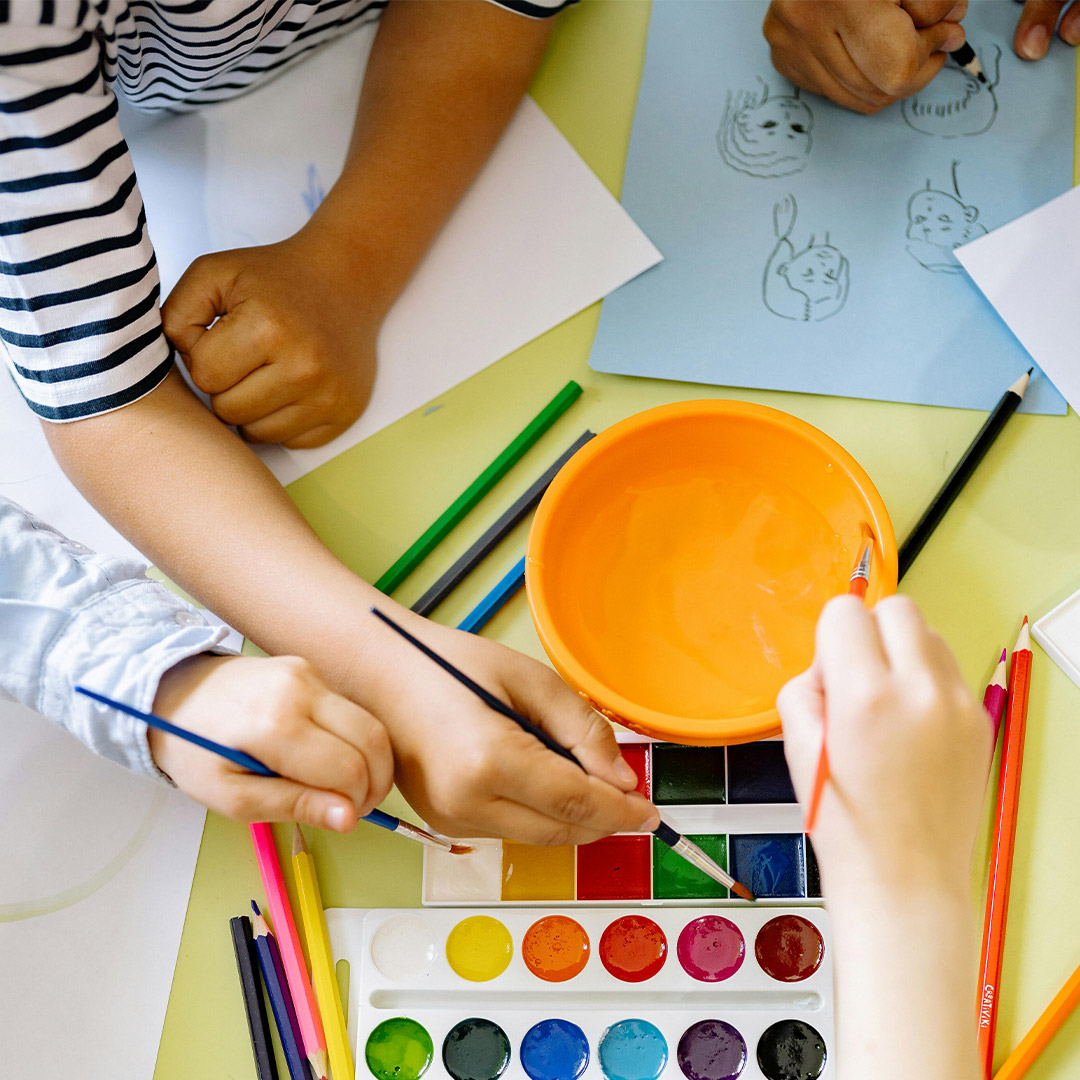
In the modern, multicultural classroom environment, the significance of multicultural education strategies cannot be overstated. Students with varied cultural backgrounds bring unique perspectives to the learning environment, which shapes their learning styles and strategies. Understanding these differences can lead to more effective teaching methods that cater to a wide range of students. Cultural diversity enriches the classroom experience, allowing students to learn from a wide range of perspectives and approaches.
Cultural diversity plays a crucial role in determining how students approach learning. For example, students from different cultures may have distinct preferences for collaborative versus individual learning. Some may thrive in group discussions, while others may find one-on-one instruction more effective. By recognizing these differences, educators can incorporate multicultural education strategies that cater to diverse learning preferences, fostering an inclusive environment for all students.
Furthermore, cross-cultural learning approaches enhance students’ ability to adapt and learn from various perspectives. By integrating cross-cultural learning approaches, teachers can create a more dynamic classroom where students learn not only from textbooks but also from each other’s diverse backgrounds. This helps in building critical thinking and problem-solving skills, which are essential in today’s globalized world.
The impact of multicultural backgrounds on students’ learning styles and strategies is profound. By embracing multicultural education strategies, promoting cultural diversity, and implementing cross-cultural learning approaches, educators can support the academic growth of all students, preparing them for success in a multicultural world.
 English
  香港中文
香港中文