
部落格

The Role of Artistic Activities in Healthy Lifestyles in Singapore: Stress Relief, Enhanced Happiness, and Quality of Life

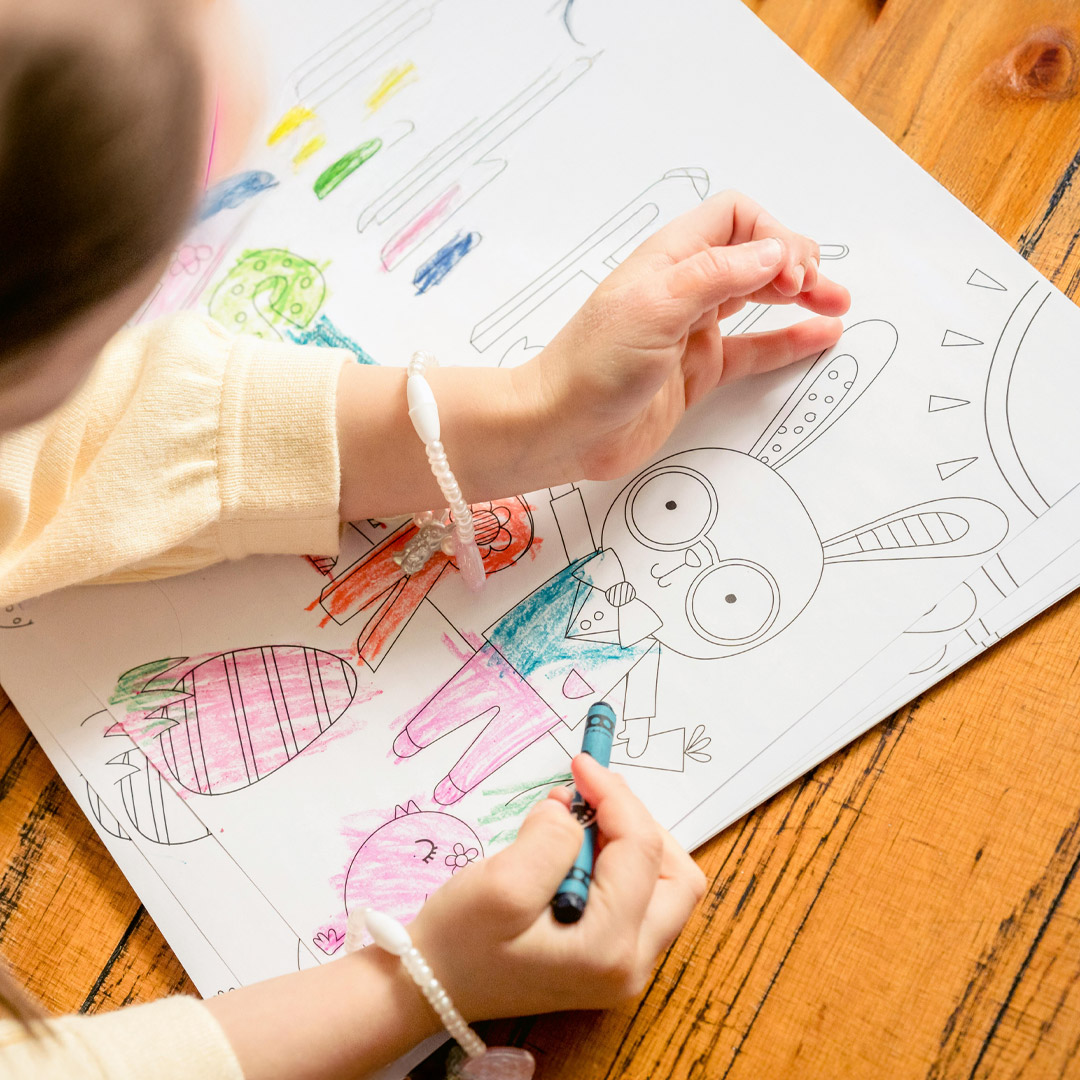
In Singapore, engaging in artistic activities like painting and drawing significantly enhances well-being and quality of life. These creative hobbies provide stress relief, boost happiness, and foster mindfulness. Art workshops offer peaceful spaces for self-expression, helping individuals achieve emotional balance and cultivate joy amidst the challenges of urban living.


Art Therapy in Singapore: How to Enhance Psychological Resilience and Life Satisfaction through Artistic Activities

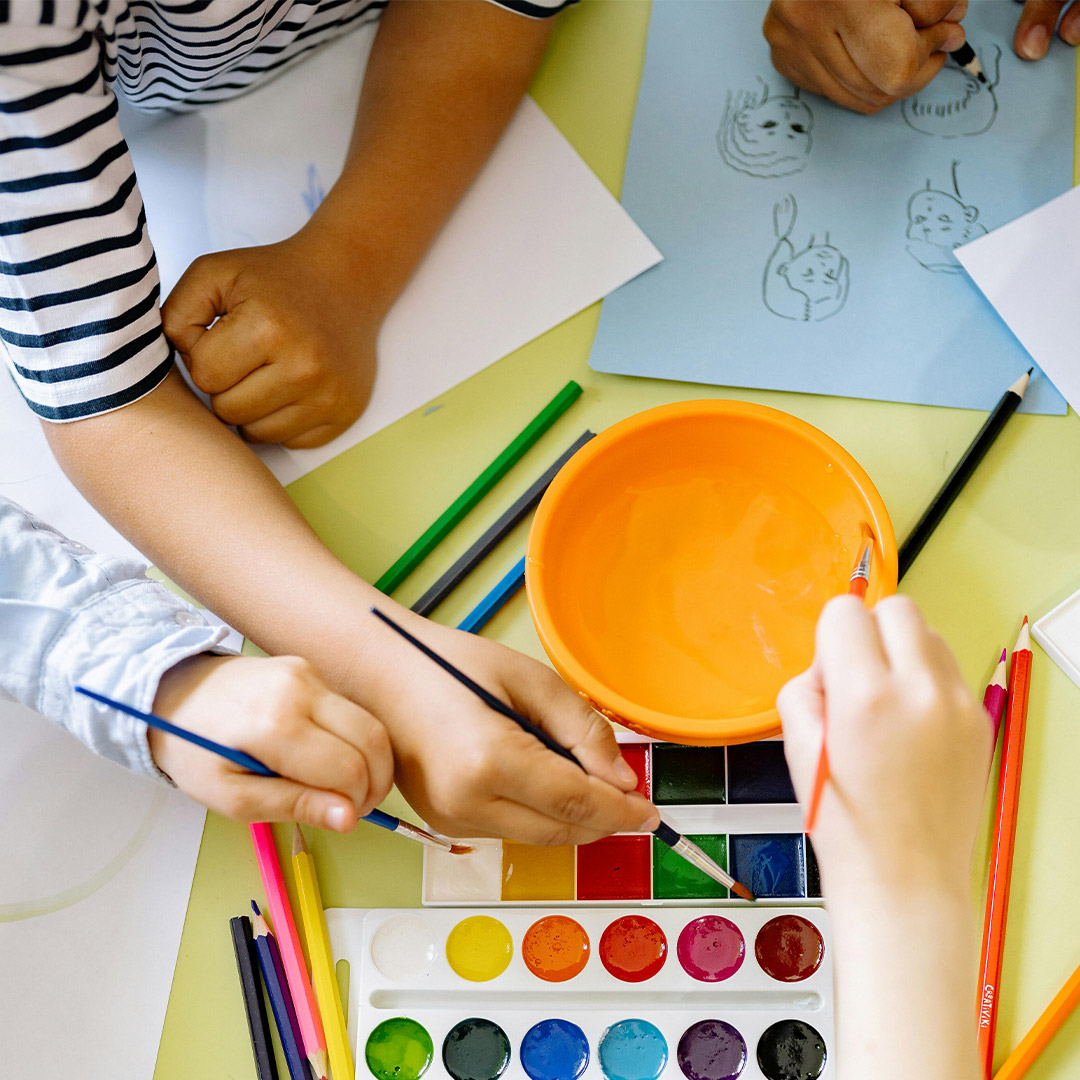
Art therapy in Singapore has gained recognition for enhancing psychological resilience and overall life satisfaction. Therapeutic art programs help individuals express emotions, manage stress, and foster empowerment. Engaging in creative activities promotes self-awareness and emotional regulation, serving as a valuable tool for mental wellness and personal growth, particularly for those

Painting, Music, and Dance: The Positive Impact of Artistic Activities on Mental Health in Singapore

Artistic activities like painting, music, and dance offer significant mental health benefits in Singapore, helping individuals manage stress and anxiety. These creative outlets promote emotional expression and relaxation, while art-based support programs provide therapeutic benefits. Embracing these activities enhances mental wellness, fostering emotional resilience and overall well-being in daily life.

Exploring Learning Motivation and Social Interaction in Multicultural Contexts: How Cultural Identity Influences Learning Behavior

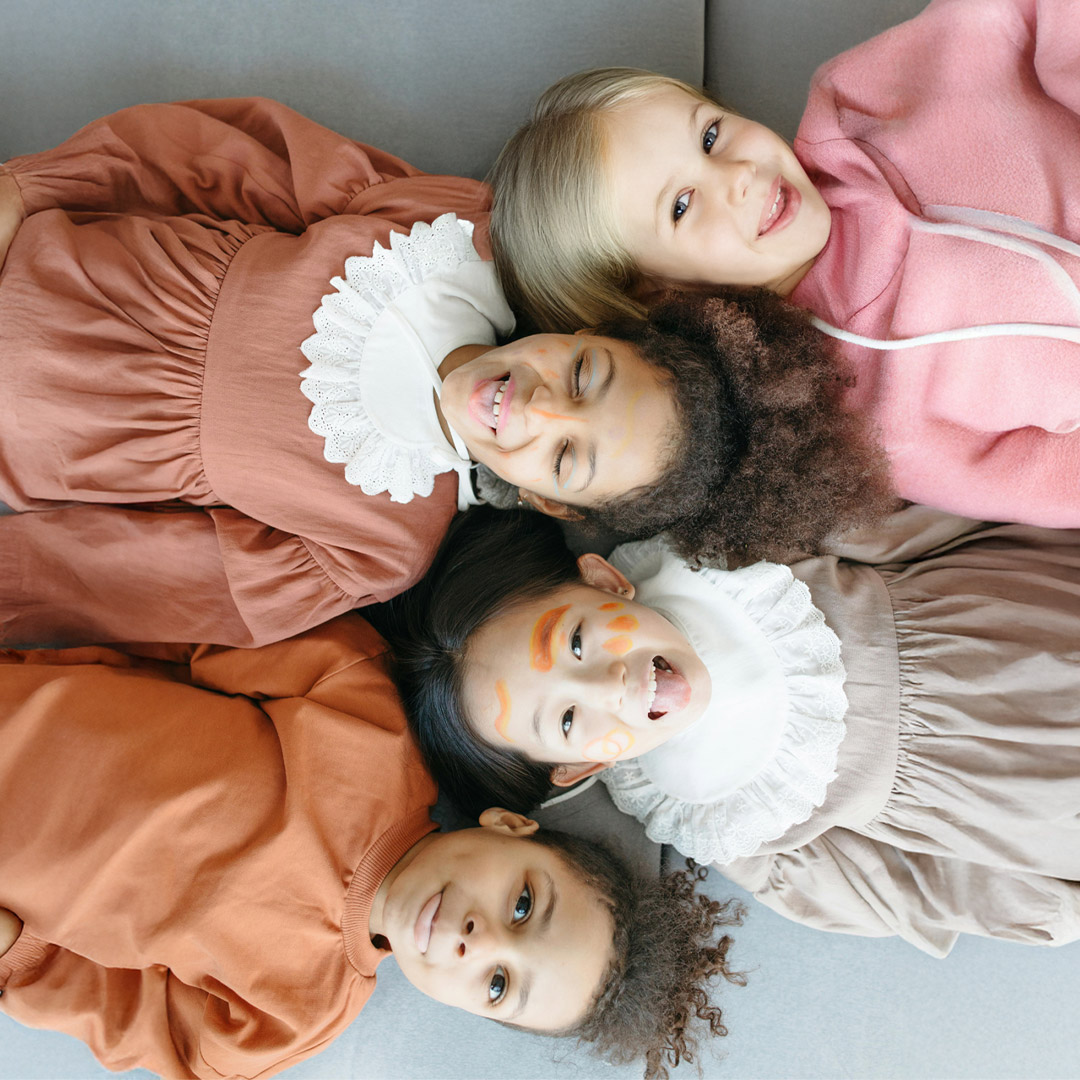
Learning motivation in multicultural contexts is influenced by cultural identity and communication styles. Understanding intrinsic and extrinsic motivation helps educators support diverse learners. Effective cross-cultural communication fosters engagement and comfort, while principles from educational psychology guide tailored teaching methods. This approach enhances social interaction and academic success for all students.

Practices and Effects of Multicultural Education: How to Promote Cultural Integration and Learning Outcomes in the Classroom

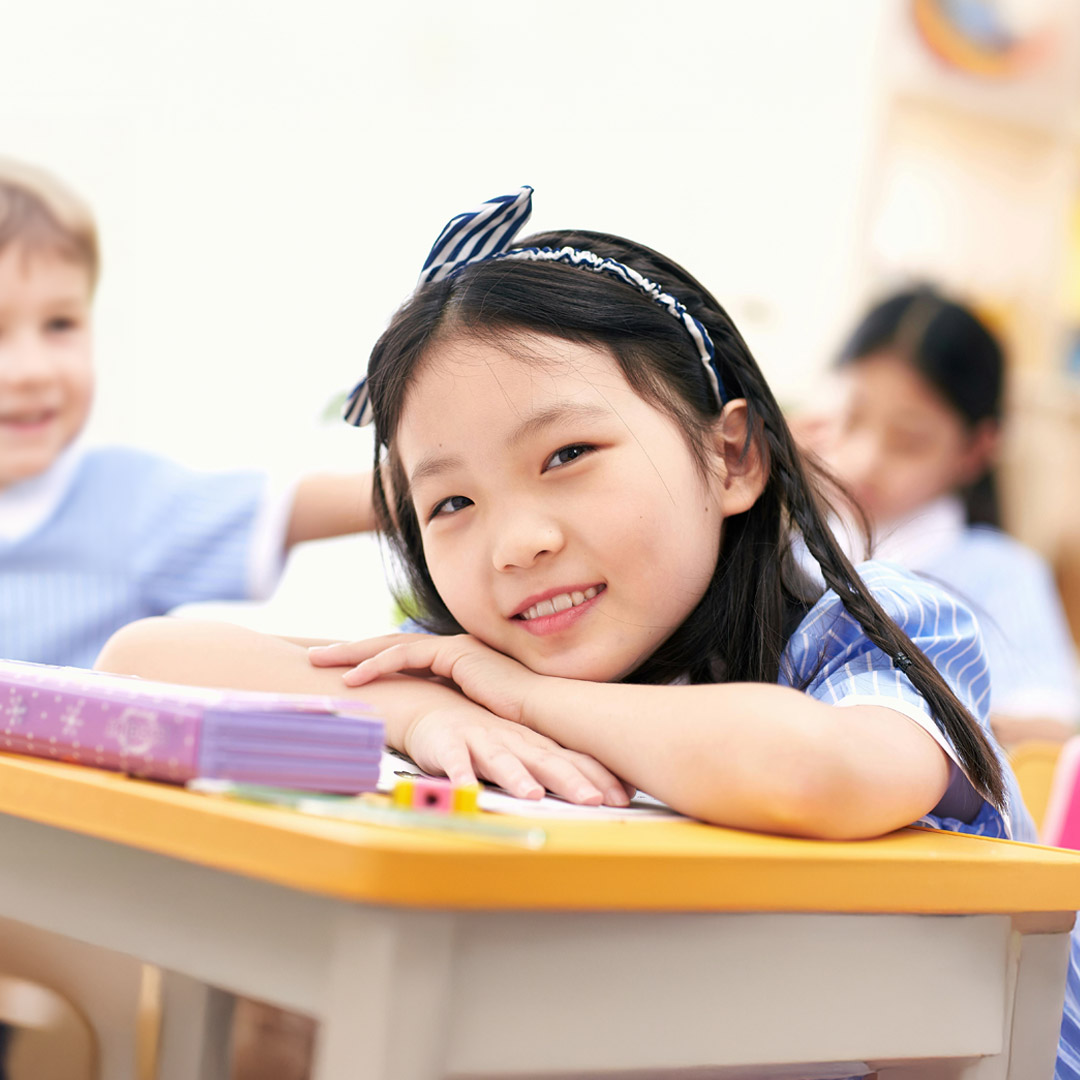
Multicultural education is vital for creating inclusive learning environments that enhance educational outcomes. By implementing culturally adaptive teaching, diverse strategies, and multicultural curriculum design, educators can address the unique needs of all students. This approach fosters empathy, critical thinking, and personal growth, ensuring every student has the opportunity to succeed.

Challenges and Opportunities in Cross-Cultural Learning Environments: The Practical Impact of Multiculturalism on Student Performance

Diversity in education presents both challenges and opportunities for student performance. Collaborative learning across cultures enhances critical thinking and empathy, while culturally responsive teaching addresses unique learning needs. By embracing these elements, educators can create inclusive environments that improve academic engagement and foster global awareness, maximizing student success in diverse

The Impact of Cultural Differences on Learning Attitudes and Academic Performance: How Students Adapt to Different Educational Environments

Cultural differences significantly impact students’ learning attitudes and academic performance. In multicultural environments, students face challenges such as varying teaching methods, language barriers, and social norms. By developing cross-cultural communication skills and embracing diverse perspectives, students can navigate these challenges, enhance collaboration, and ultimately improve their academic success.

How Multicultural Backgrounds Affect Students’ Learning Styles and Strategies

Multicultural backgrounds significantly influence students’ learning styles and strategies. By embracing multicultural education and promoting cultural diversity, educators can create inclusive environments that cater to varied learning preferences. Integrating cross-cultural approaches fosters critical thinking and adaptability, ultimately enhancing students’ academic growth and preparing them for success in a globalized world.

zh_TW香港中文